

small-scale farming is becoming increasingly more popular in dense urban and sub-urban areas
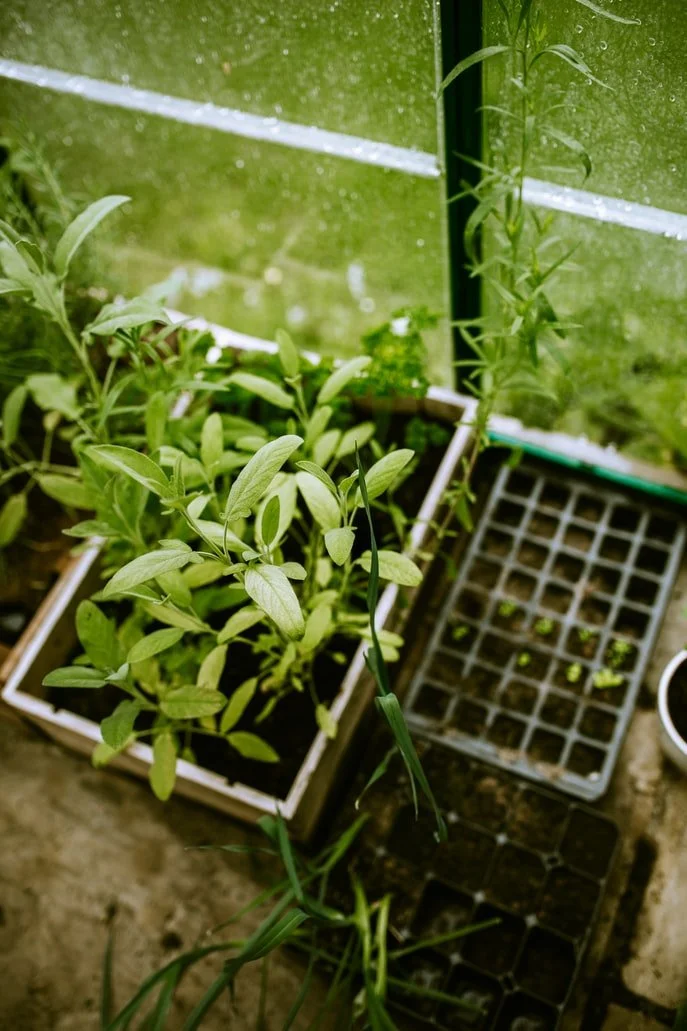
Small-scale farming is a key contributor in supporting sustainable and inclusive food systems. It brings back control over the way our food is grown, consumed and disposed of back to the families that own small pieces of land, gardens or greenhouse and, it might even help them reverse some of the negative consequences of current food practices. It allows us to reimagine our food system while addressing interconnected challenges stemming from the ways we produce our food. Cultivating on a smaller scale improves and sustains communities by creating better social-ecological systems. It showcases the possibility of doing things differently.
According to IFAD, when access to inputs and conditions are equal, smaller farms tend to be more productive per hectare than much larger farms. Family farmers have a vested interest in protecting the fertility of their soil and in sustaining the long-term productivity of their land. According to the FAO they are much more likely than larger farms to grow a wider variety of crops, thus contributing to agro-biodiversity.
Rural and urban societies and economies alike benefit from prosperous and productive small farms. Small-scale farming tends to create reliable local jobs and creates wealth for communities. In less prosperous regions it reduces pressure on young people to migrate. When small-scale farmers earn more, they inject their incomes directly into the rural economy, creating growth and diversification.